
Diagnostic assessment
From £85
Initial full-system scan, symptom review and appropriate first-stage checks to establish a diagnostic direction.
Advanced mobile diagnostics
Warning light on, running rough, intermittent electrical fault or a problem another garage has not pinned down? The aim is to identify the cause of the fault — not simply hand you a list of stored codes.
Mobile service
Warning light on, running rough, intermittent electrical fault or a problem another garage has not pinned down? The aim is to identify the cause of the fault — not simply hand you a list of stored codes.
Diagnostic pricing
The starting price reflects the depth of investigation required. If additional diagnostic time is needed, that is discussed before the work continues.
Initial full-system scan, symptom review and appropriate first-stage checks to establish a diagnostic direction.
Deeper testing using live data, actuator functions and targeted electrical or mechanical checks where required.
Extended investigation where faults need time, repeat testing, circuit tracing or condition-specific diagnosis.
Diagnostic capability in practice
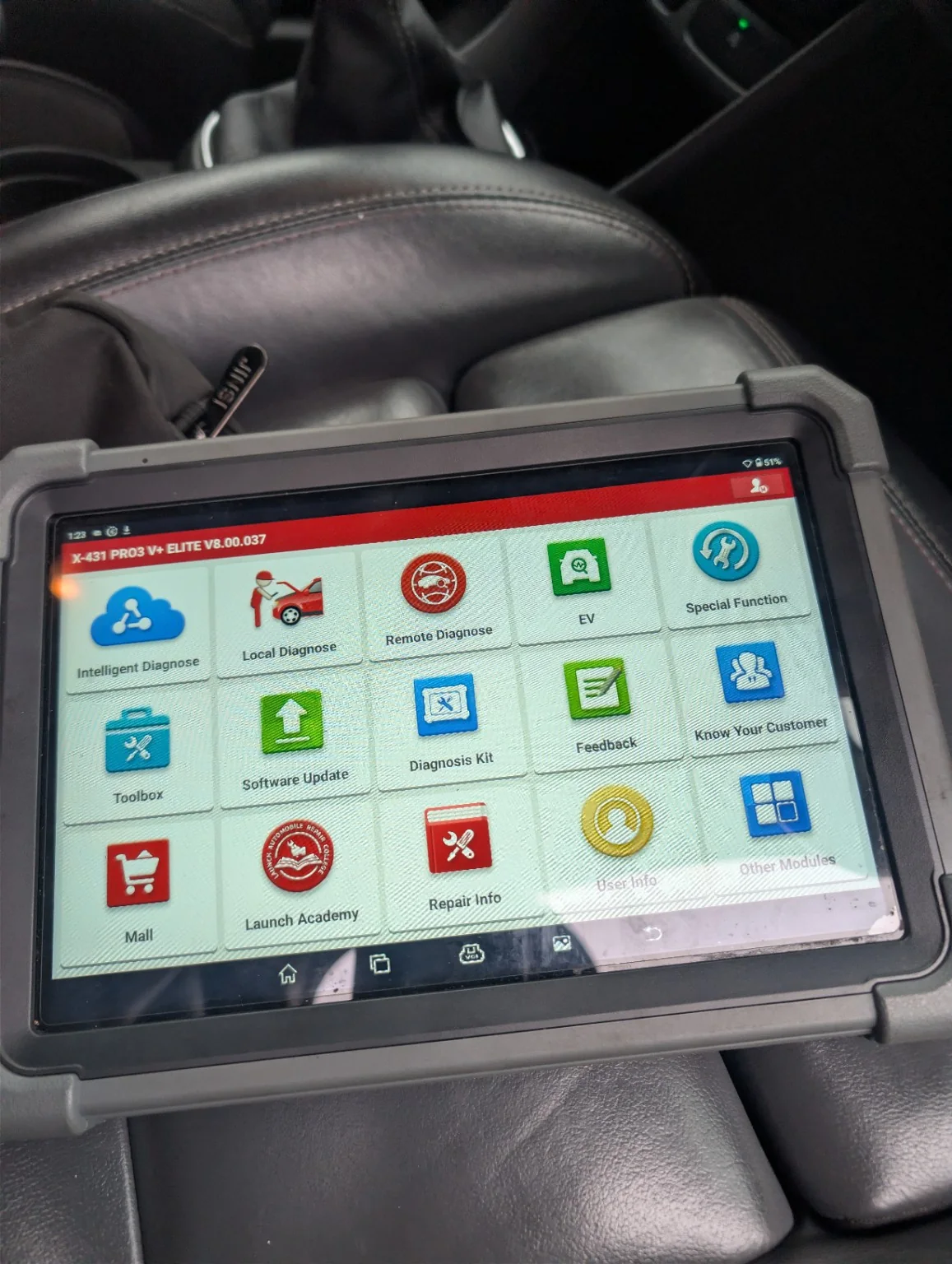
The diagnostic charge is for investigation and interpretation. These are examples of the current X-431 platform and the type of evidence-led testing used during real jobs.
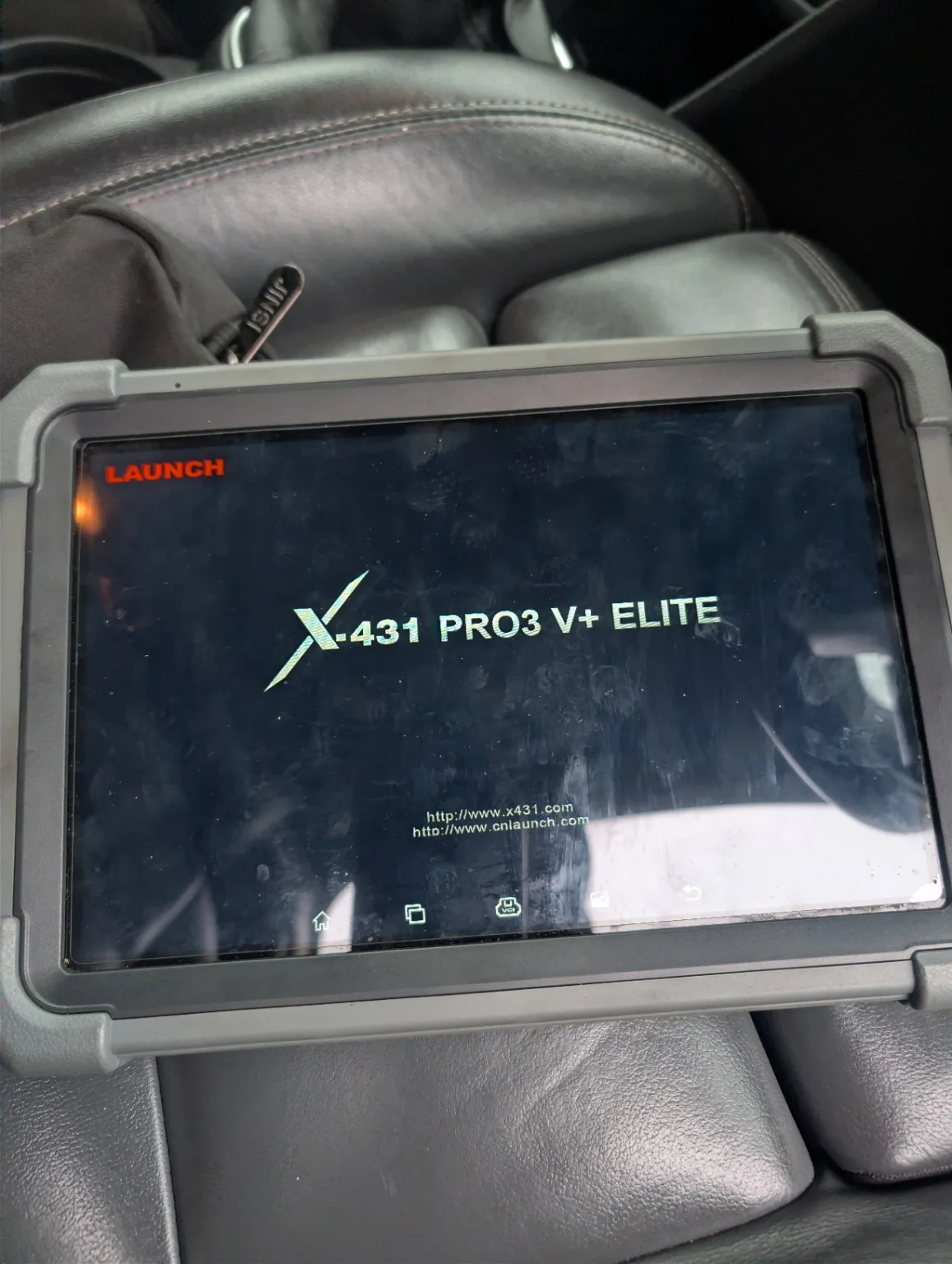
The current diagnostic platform used for full-system scanning, service functions, coding support and guided fault-finding work where supported.
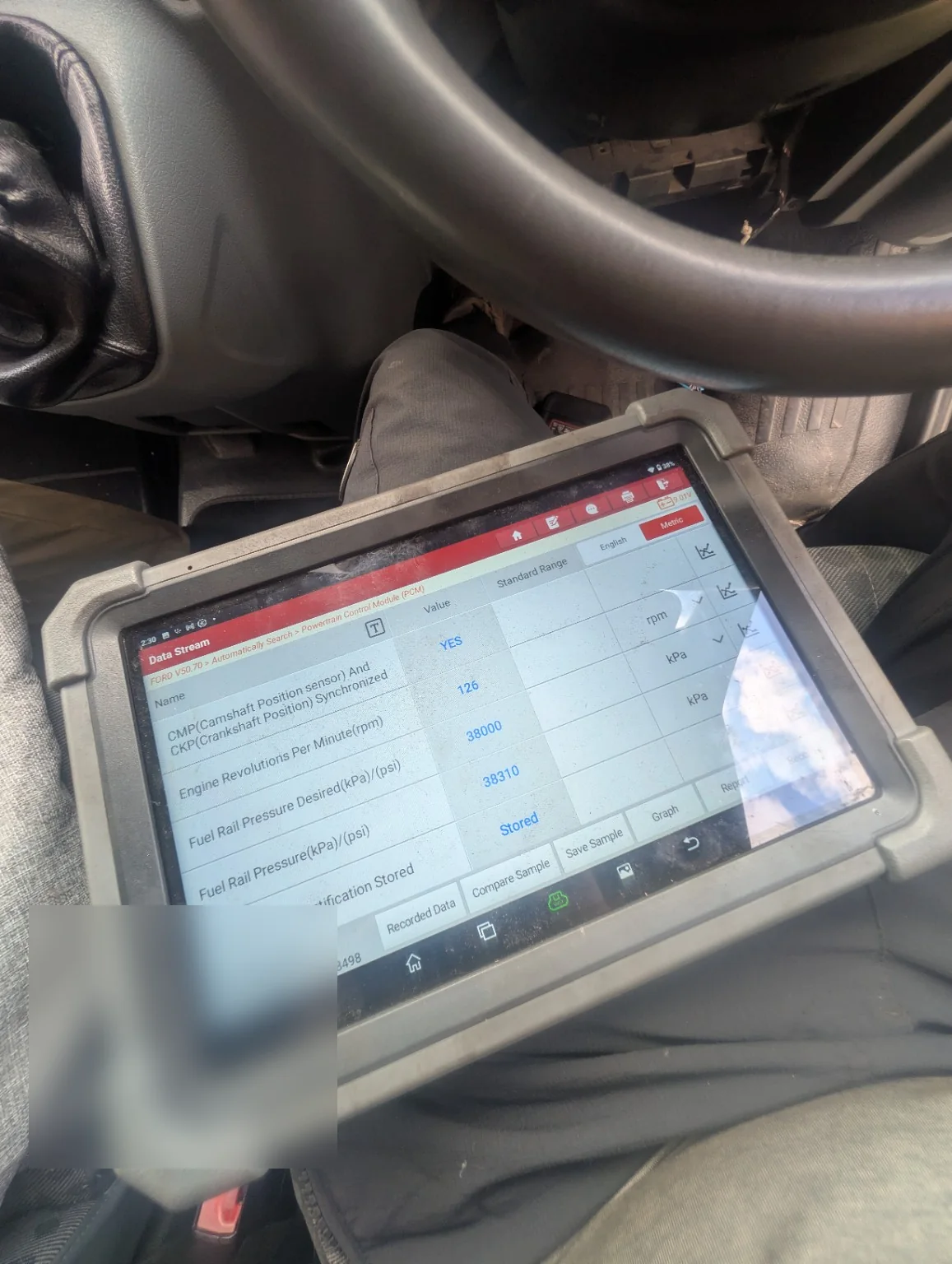
Real-time values can be compared and interpreted to confirm whether sensors, fuel pressure and synchronisation data support the suspected fault.
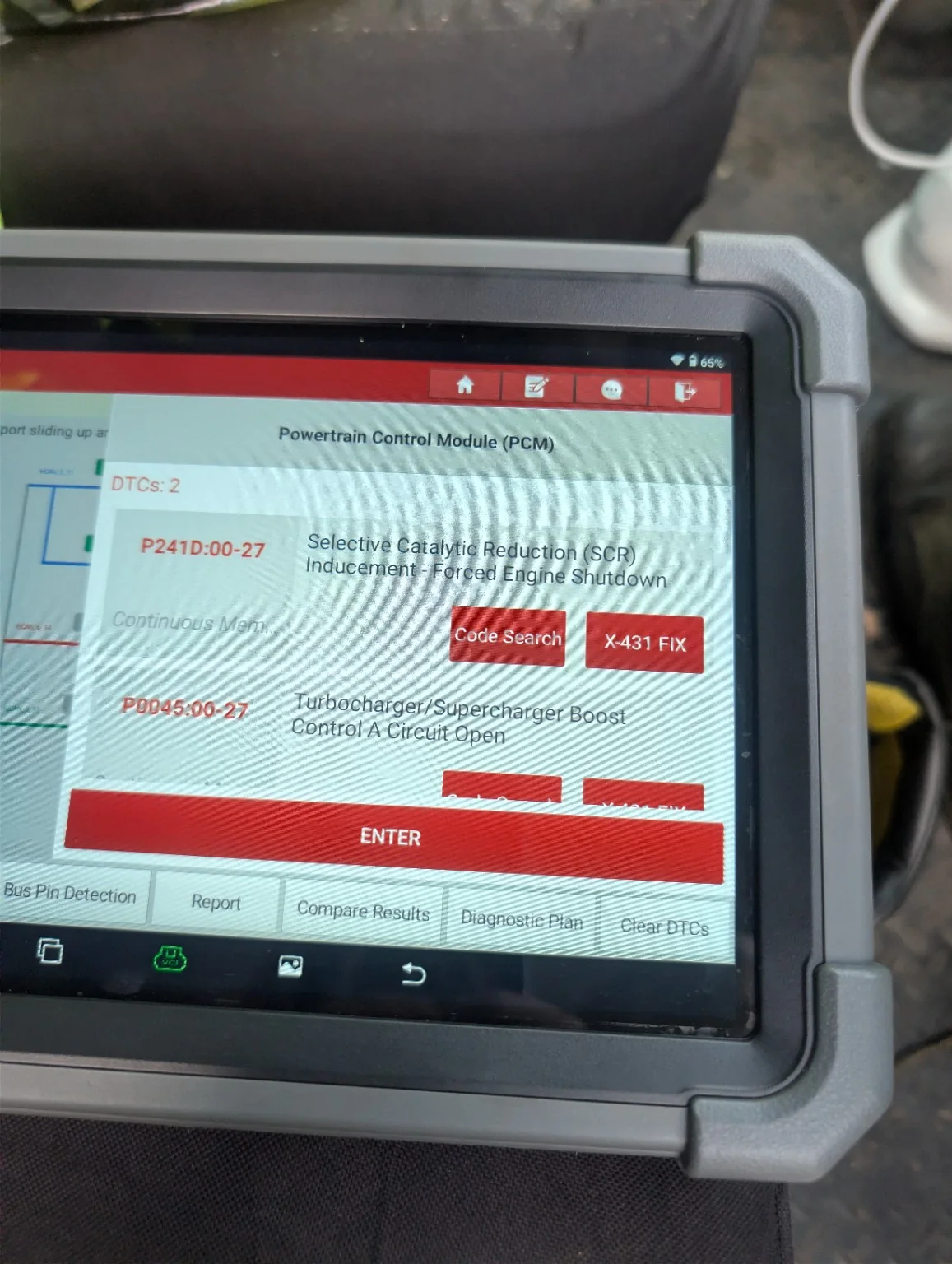
Stored DTCs are the beginning of the process — they help point the investigation in the right direction, but they do not replace proper testing.
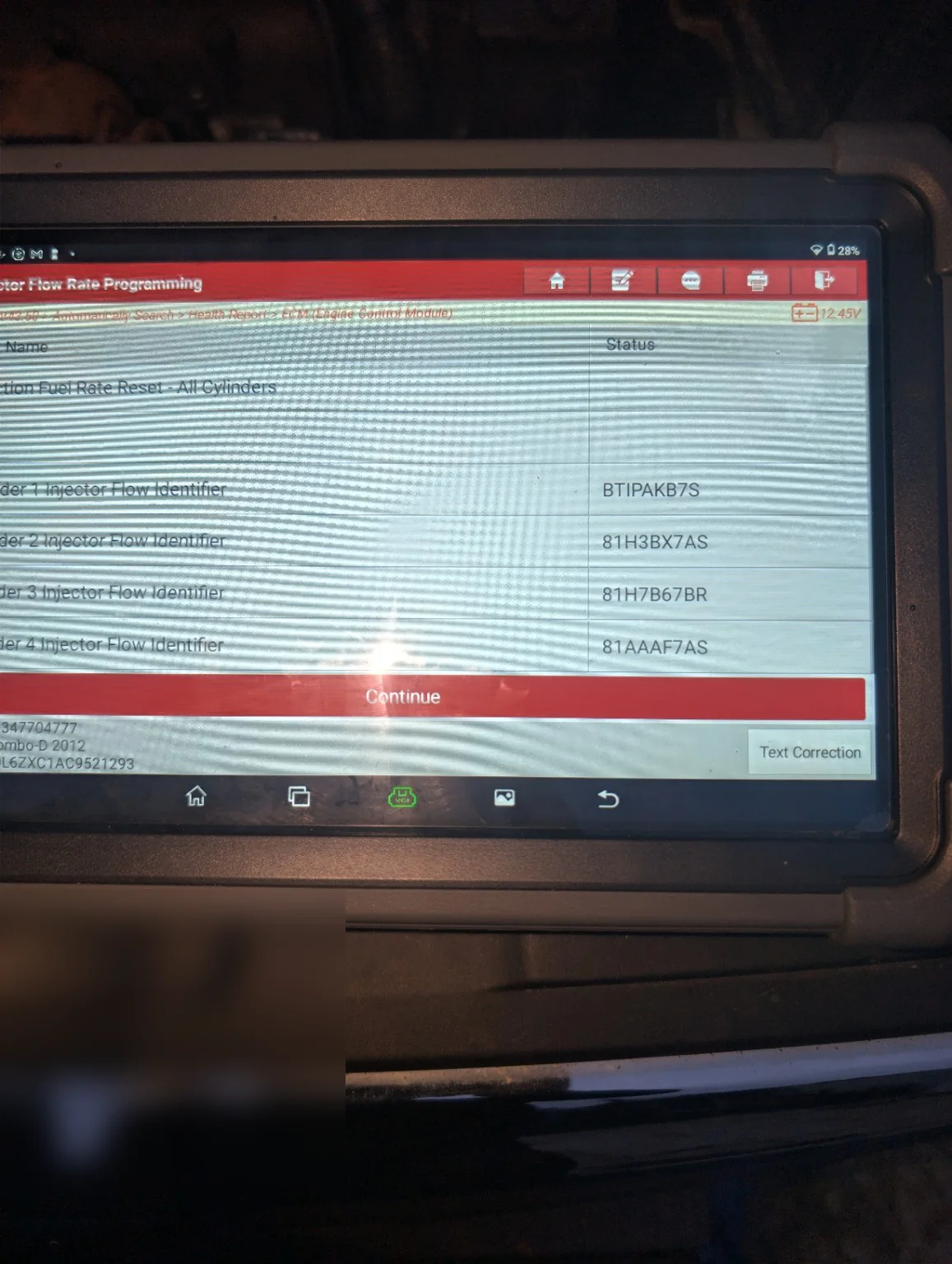
Where the vehicle and repair require it, the platform can support functions such as coding, reset procedures and setup work after component replacement.
Modern vehicles can store fault codes for symptoms, knock-on effects and historical events. Replacing the component named in a code can be an expensive way to diagnose a vehicle.
Diagnosis can include full-system scanning, freeze-frame review, live-data analysis, component activation, voltage and circuit checks, sensor verification and mechanical testing where appropriate. The exact process depends on the fault.
Engine warning lights, misfires, poor running, starting faults, DPF and EGR issues, ABS and traction-control faults, charging problems, battery drain, sensor faults, communication problems and intermittent electrical issues can all require structured fault finding rather than guesswork.
If the issue can be confirmed during the appointment, you will be given a clear explanation of what has been found and the sensible next step. Where a repair is suitable for mobile completion, this can then be quoted separately.
Questions
No. A scan is useful evidence, but fault codes are interpreted alongside symptoms, live data and targeted tests. The purpose is to confirm the cause before recommending parts.
No fixed diagnostic fee can honestly guarantee that every intermittent or complex fault will be resolved within one appointment. If further investigation is required, that will be explained before additional diagnostic time is charged.
Yes, where appropriate, but clearing a warning light without addressing the underlying fault is not a repair.
Yes. A summary of findings and recommendations can be provided where required for records, warranty discussions or follow-on repair work.
Need a price?
That gives enough information to confirm whether the job is suitable for a mobile visit and what the next step should be.